What Is Going On
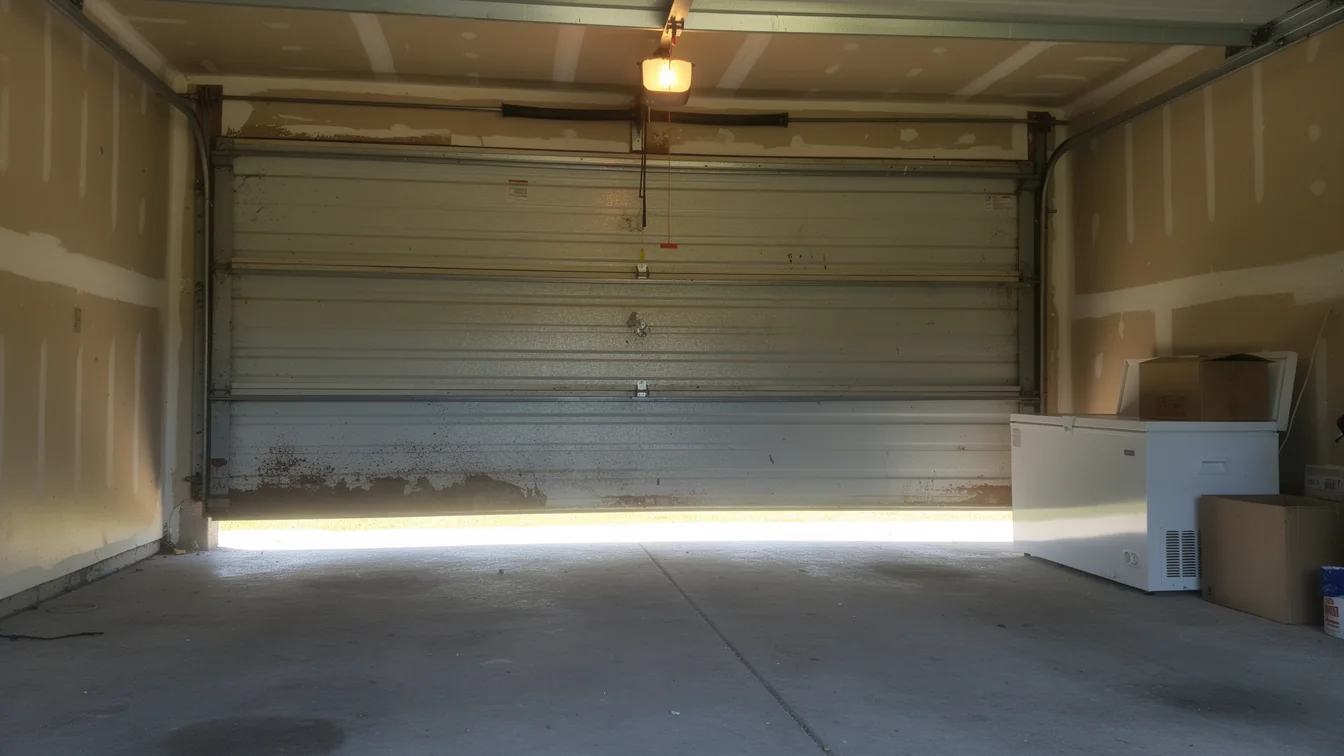
A power cut doesn't hurt your garage door itself, but it strands the opener mid-cycle more often than people expect. If your door was closing or opening when the lights went out, the carriage can sit anywhere on the rail, and the opener has no idea where home position is until it's reset. In the Winder area, where most houses went up between 1976 and 2012 with a heavy concentration in the 1980s and 90s, that means a lot of original or first-replacement openers that predate the battery backup and soft-close features standard on units today. Those older chain-drive units don't fail gracefully. They lose their travel limits, and the next time the power comes back, the door can reverse unexpectedly or stop short of fully seating. This isn't a defect in your door - it's just what happens when a mechanical system built on stored electronic memory loses that memory without warning. The fix is usually a manual reset at the unit, not a service call, but knowing the difference matters before you start pulling on anything.
What to Look At First
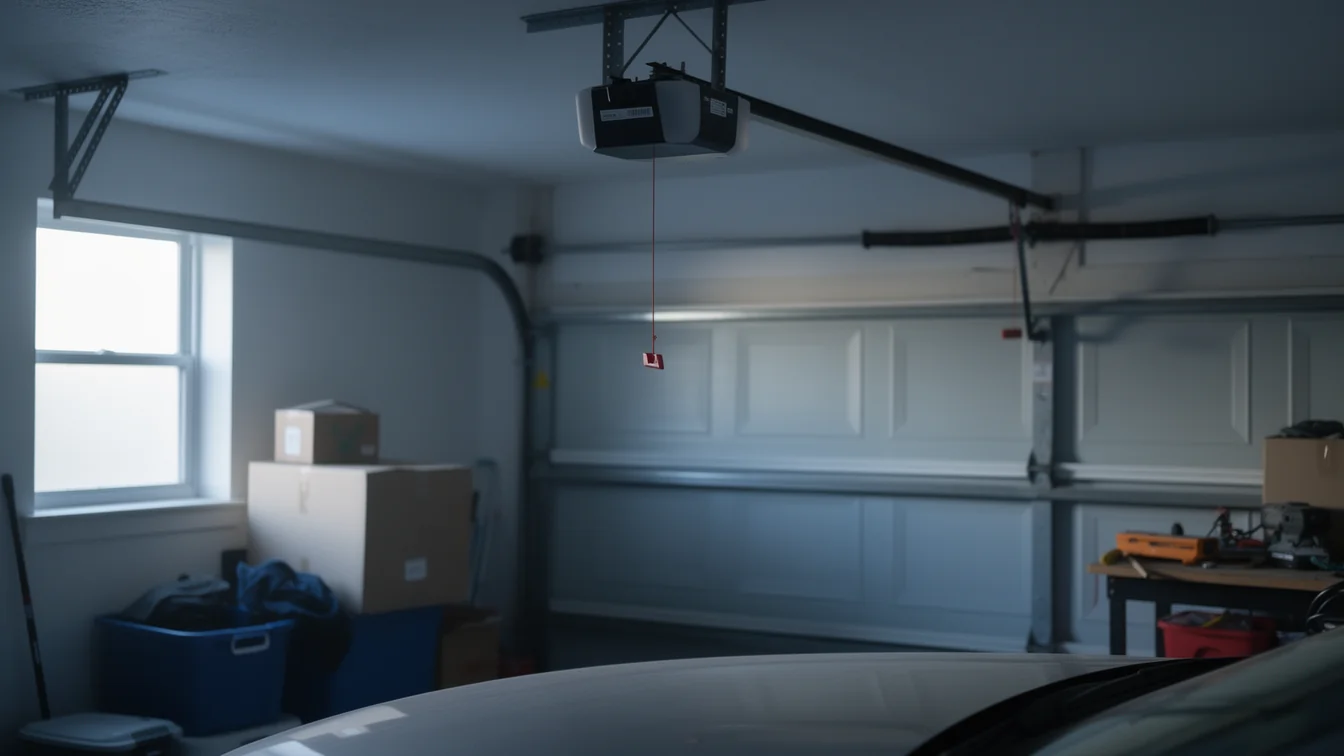
Before you touch the opener, pull the manual release cord - the red handle hanging from the trolley - and move the door by hand. If it travels smoothly through its full range with even resistance, the springs and track are fine and this is purely an opener problem. If it's heavy, binds, or drops on its own partway down, you've got a spring or cable issue that has nothing to do with the power cut and showed up at the same time by coincidence. Next, check the opener's logic board for a blinking light or error code - most units from the 1990s and 2000s, which is what you'll find in a lot of Winder-area homes given the 1976-2012 build range, use a simple blink pattern instead of a screen. Reset the travel limits per the unit's manual, usually two dial screws or buttons on the motor housing. If the opener won't take a limit reset at all, the board itself may have taken damage from the surge, not just the outage.
When to Call Someone
Call if the manual reset doesn't hold - meaning the door loses its open or closed position again within a day or two - because that points to a logic board that's degrading, not just confused. Call also if you hear the motor running but see no door movement, which usually means a stripped gear inside the housing, something that happens more on units installed before 2000 since the internal gears in that era were plastic rather than the reinforced composites used now. We don't recommend rewiring a surge-damaged board yourself; if diagnostics show the board is bad, replacement is the honest answer, not a patch. One thing we won't do is sell a full opener swap when a $20 limit reset or wall console fixes it - if the motor runs and the door travels fine by hand, it's very rarely the whole unit.
How Local Conditions Play In
Winder sits in a cold-moderate climate band, which means winter mornings can bring enough of a temperature swing to tighten door hardware right when a power cut might also knock an opener's memory loose - a bad combination if you're trying to diagnose which problem you actually have. Cold makes grease stiffen in older chain-drive units, which can make a door that's merely reset feel like it's struggling, when it's really just resistance from a track that needs lubrication. With 16,250 owner-occupied houses across the service area and most of that stock dating to the 1980s and 90s, we see the same pattern a lot: an opener that's twenty-plus years old gets blamed for a one-time outage, when the real issue is maintenance that's overdue regardless of what the power grid did that day.
Talk to a local pro
Garage door trouble in Winder?
Same-day service with honest, upfront quotes.