What Is Going On
Most of the calls we get in Winder trace back to the age of the door hardware, not the door itself. Housing in this service area was mostly built between 1976 and 2012, with the median around 1995, which puts a lot of torsion springs, rollers, and openers right at or past the age where they start failing in bunches rather than one at a time. If your house falls into that window, the spring on your door has probably done tens of thousands of cycles already, and the cable, rollers, and hinges around it have aged right along with it. A service call is us going through that whole chain - spring, cable, rollers, track, opener - and telling you which part is actually the problem versus which part is just loud. Across the 19 named areas we cover, that 1980s-90s stock is the baseline, so we're not guessing at what we'll find when we pull into a driveway. We're confirming it.
What to Look At First
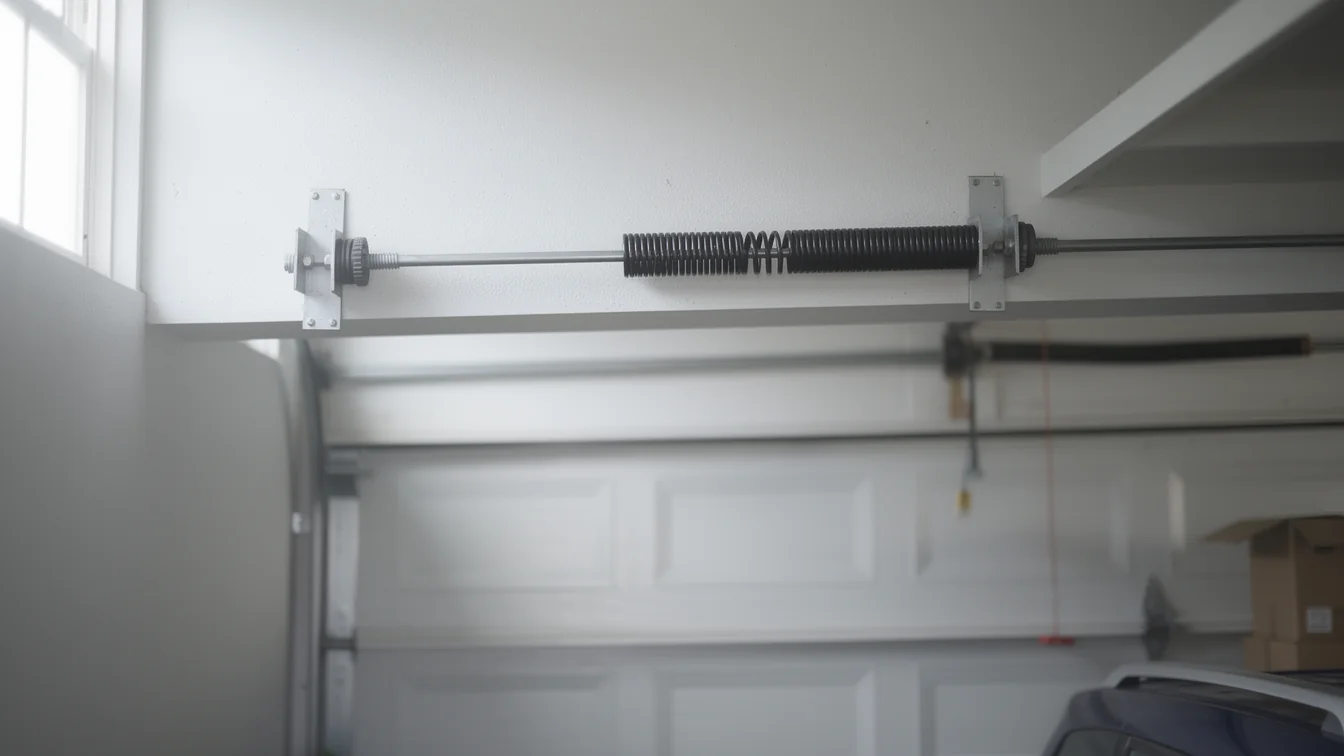
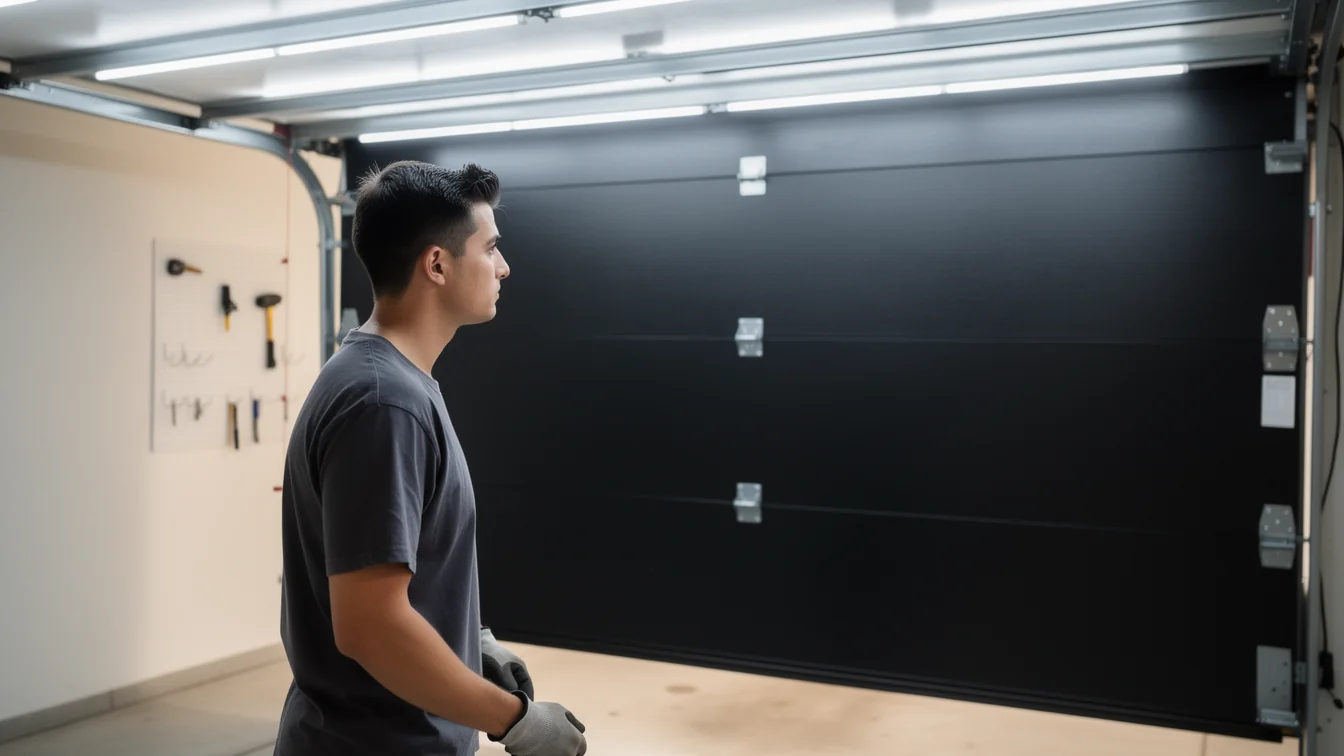
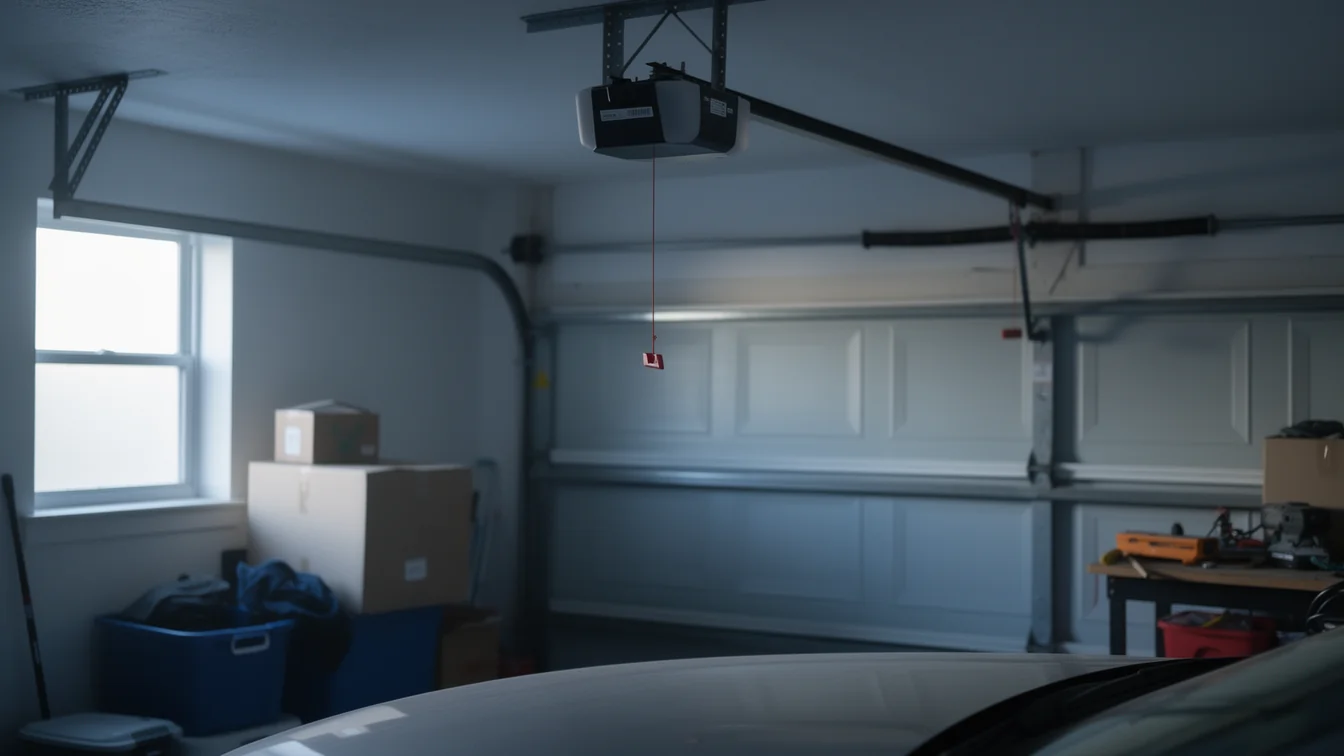
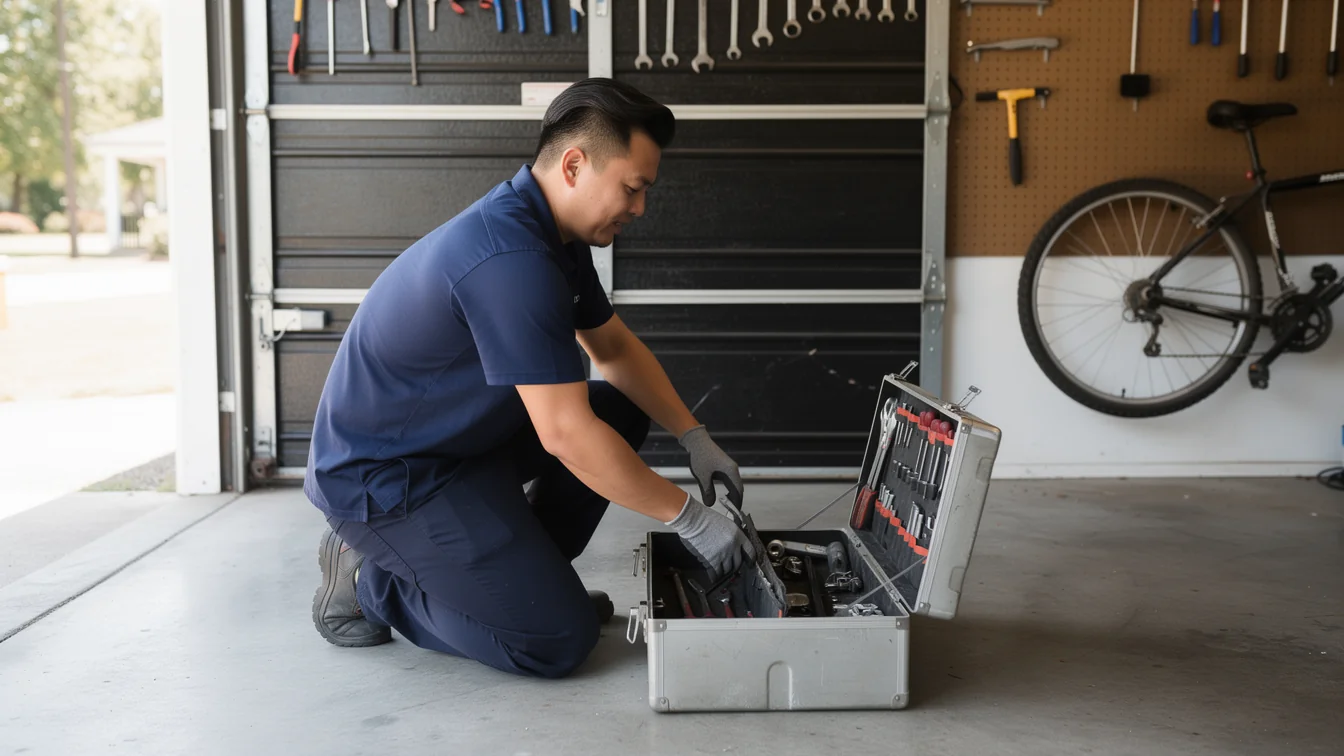
Before you call anyone, open and close the door by hand with the opener disconnected and watch the springs and cables. On a door from the 1980s or 90s, the torsion spring is the first thing that wears out, and a spring that's stretched, gapped, or rusted through one coil is close to failing. Rollers are next - plastic rollers from that era are usually cracked or chipped by now, and that's what causes the grinding sound on the way up. Check the bottom bracket and the cable where it wraps the drum; fraying there means the cable is close to snapping, not just squeaking. If the door is from the newer end of the 1976-2012 range, the opener's circuit board or logic unit is more often the issue than the mechanical hardware. We can't tell you over the phone which one it is - that's genuinely what the service call is for - but knowing which part looks worn helps us bring the right stock on the truck the first time.
When to Call Someone
Call before the spring actually breaks if you can. A spring that's visibly gapped or rusted on a door built in the 1980s or 90s is on borrowed time, and replacing it on a scheduled call is cheaper and safer than an emergency one after it snaps with the door halfway up. Call right away, same day if possible, if the door is stuck open - that's a security issue in any of the areas we serve - or if a cable has frayed enough that you can see wire strands. Don't call us for a door that's just slow; that's usually lubrication or alignment, and we'll tell you to try that first if that's all it sounds like. One honest limit: if your opener board is a discontinued model from the early end of that 1976-2012 build range, parts can take time to source, and sometimes a new opener costs less than waiting on an obsolete board.
How Local Conditions Play In
Winder sits in a cold-moderate climate band, which means the garage sees real temperature swings between winter mornings and summer afternoons but nothing like the extreme freeze-thaw cycles that chew through hardware in colder regions. What that does mean locally: metal springs and tracks contract and expand enough across the year to work bolts loose and dry out factory lubricant faster than a homeowner expects, especially on doors that have never been relubed since they were installed sometime in that 1976-2012 window. It's a slower kind of wear than storm damage, so it tends to show up as a door that's gotten steadily louder or heavier to lift rather than a sudden failure. With 16,250 owner-occupied houses across this service area, most sitting in that same build era, that slow seasonal wear is the single biggest reason doors need a tune-up call even when nothing has obviously broken.
Talk to a local pro
Garage door trouble in Winder?
Same-day service with honest, upfront quotes.