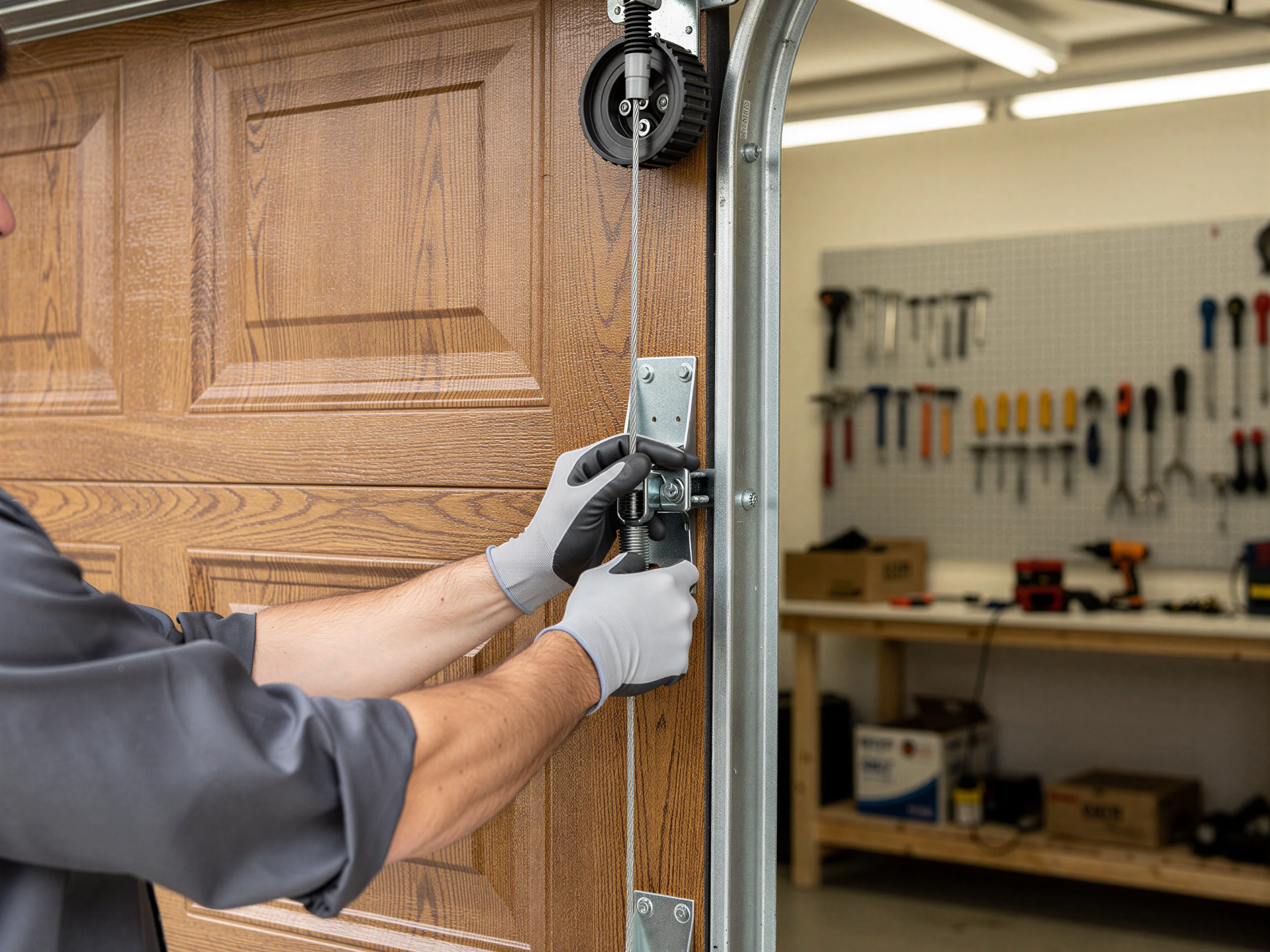
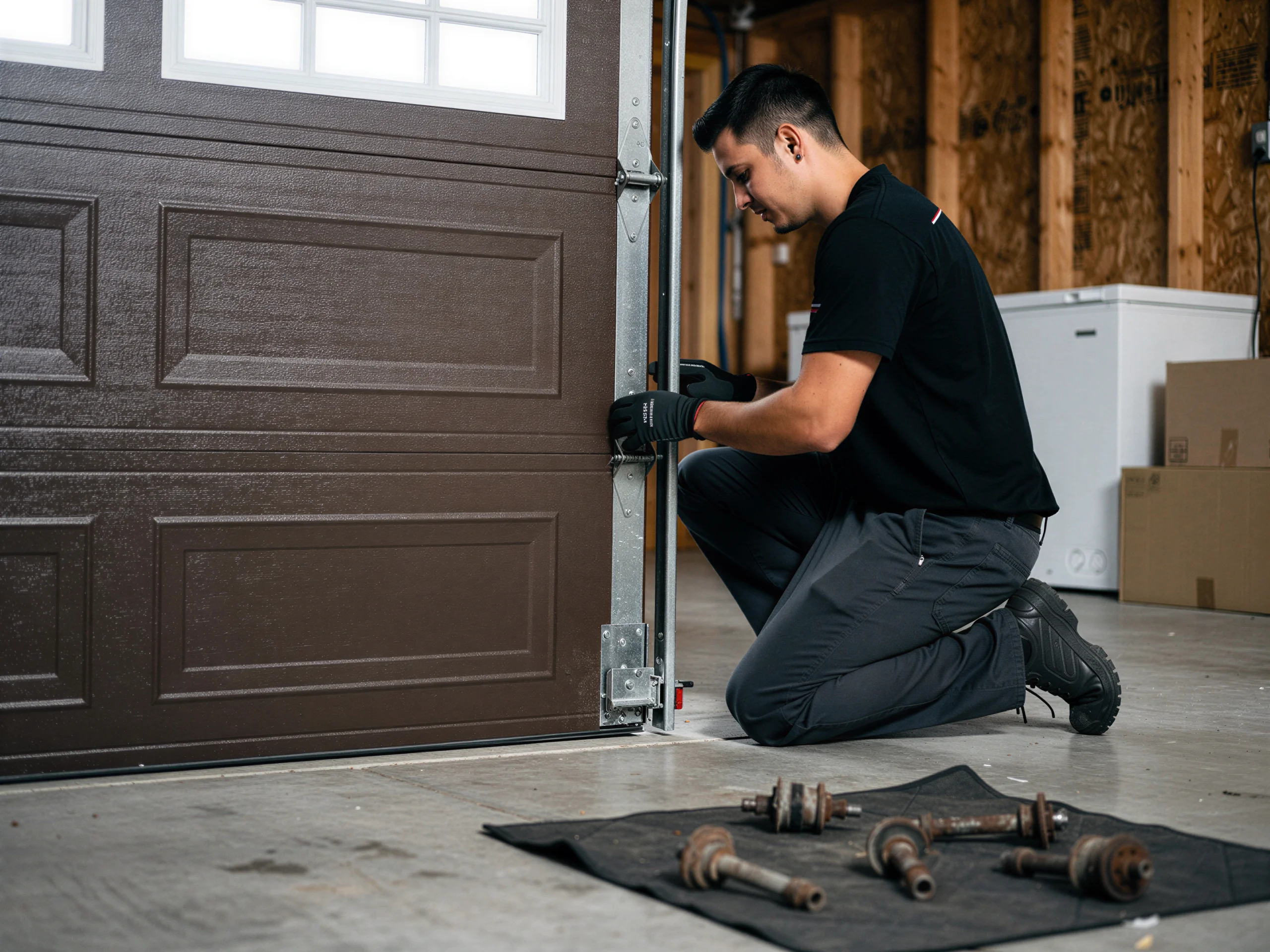
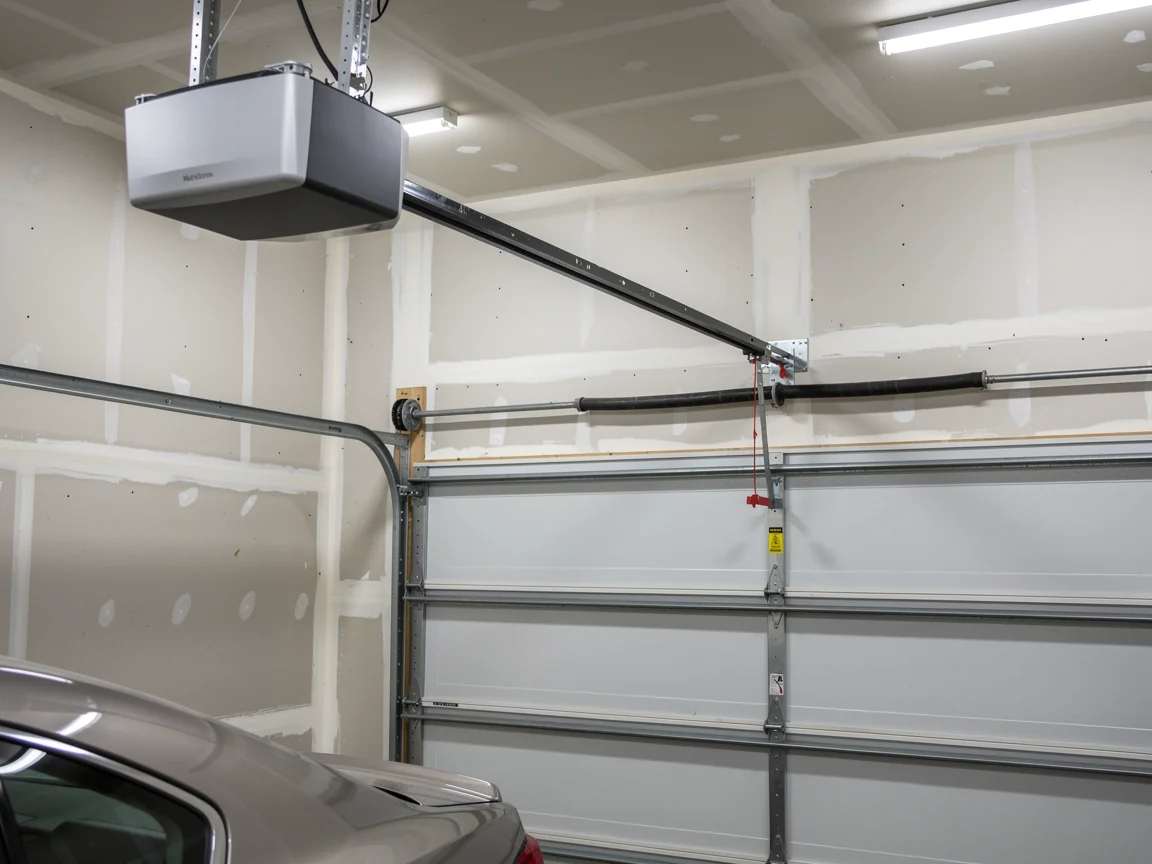
A job costs what the parts and the labor actually take, and that's shaped by what's broken and how old the system is, not by which of these towns you're calling from. A broken spring on a 1995-era double door is a different job than replacing a worn-out opener motor, and the quote should reflect that difference, not a flat number pulled out of the air.
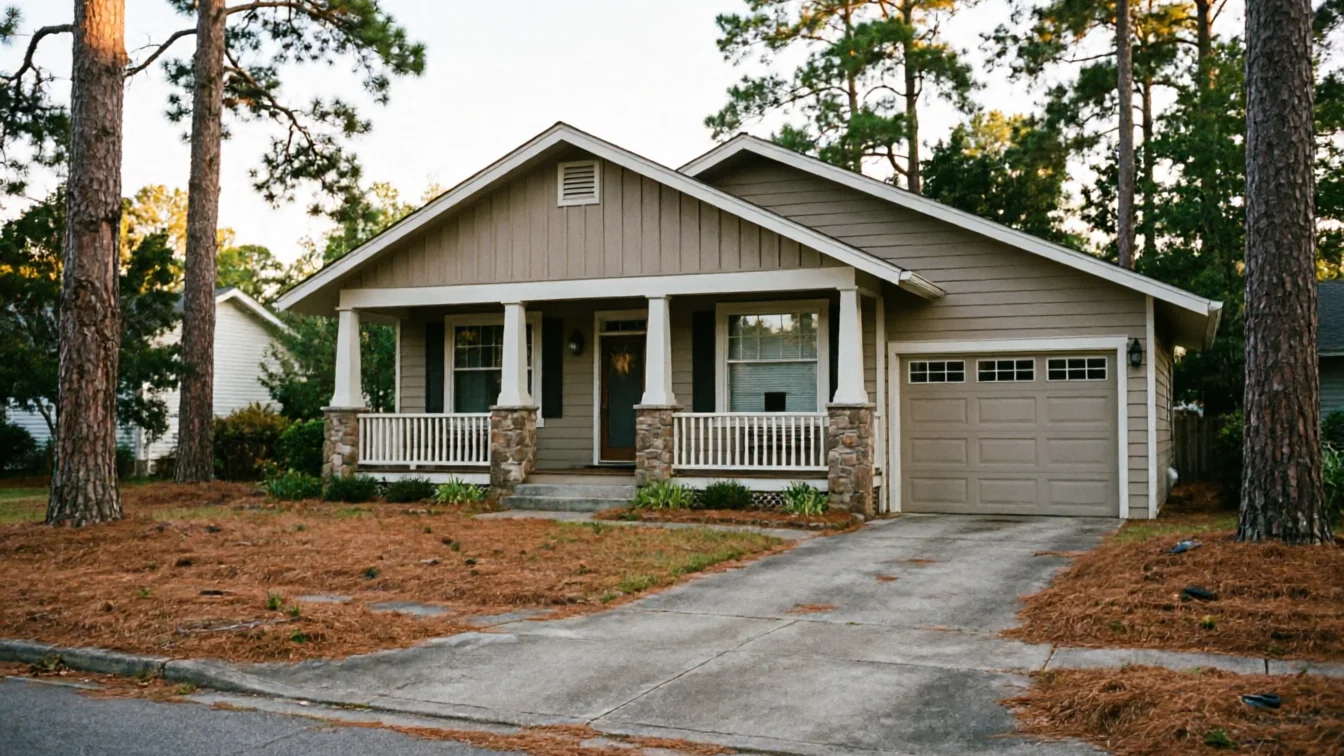
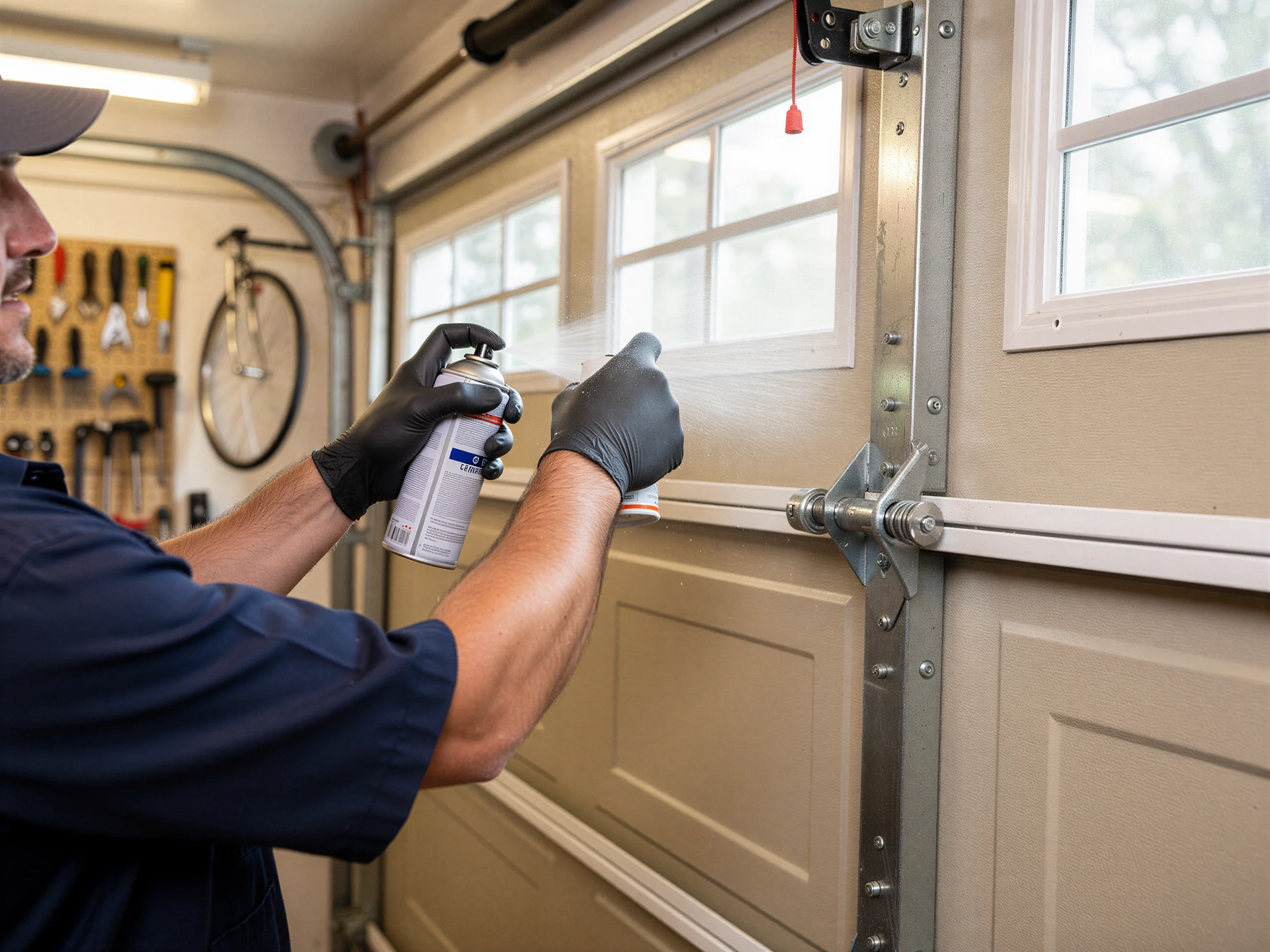
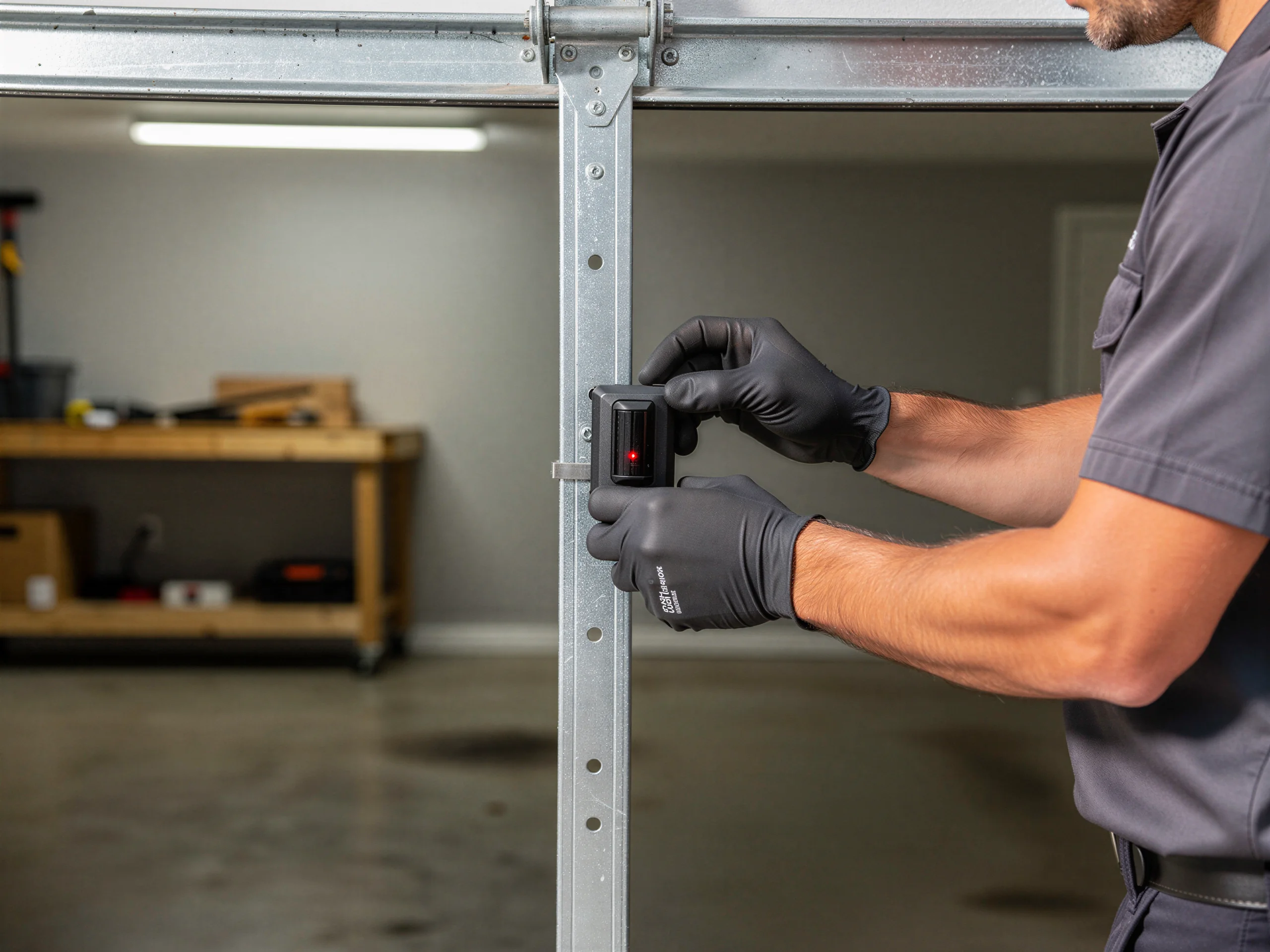
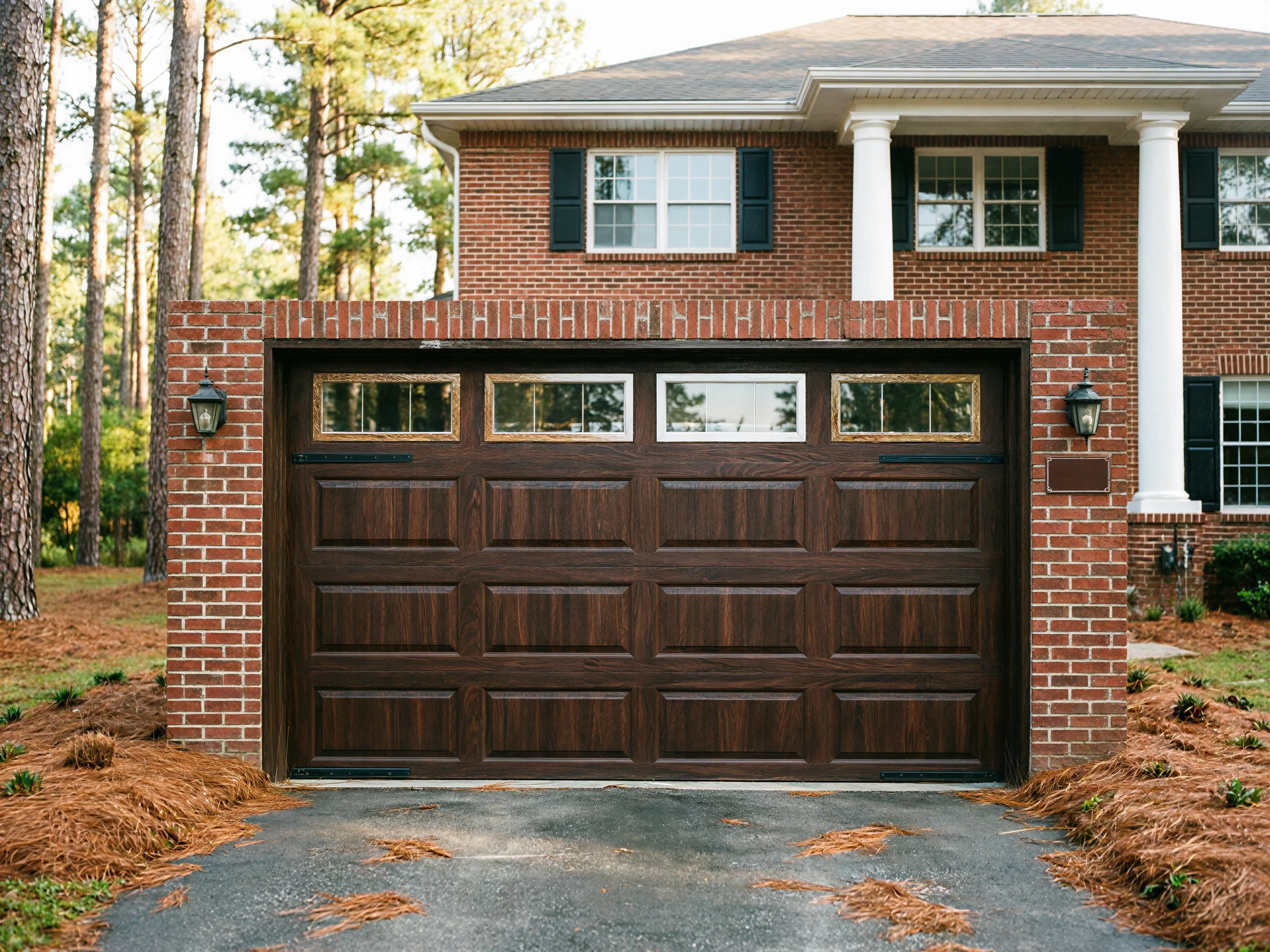
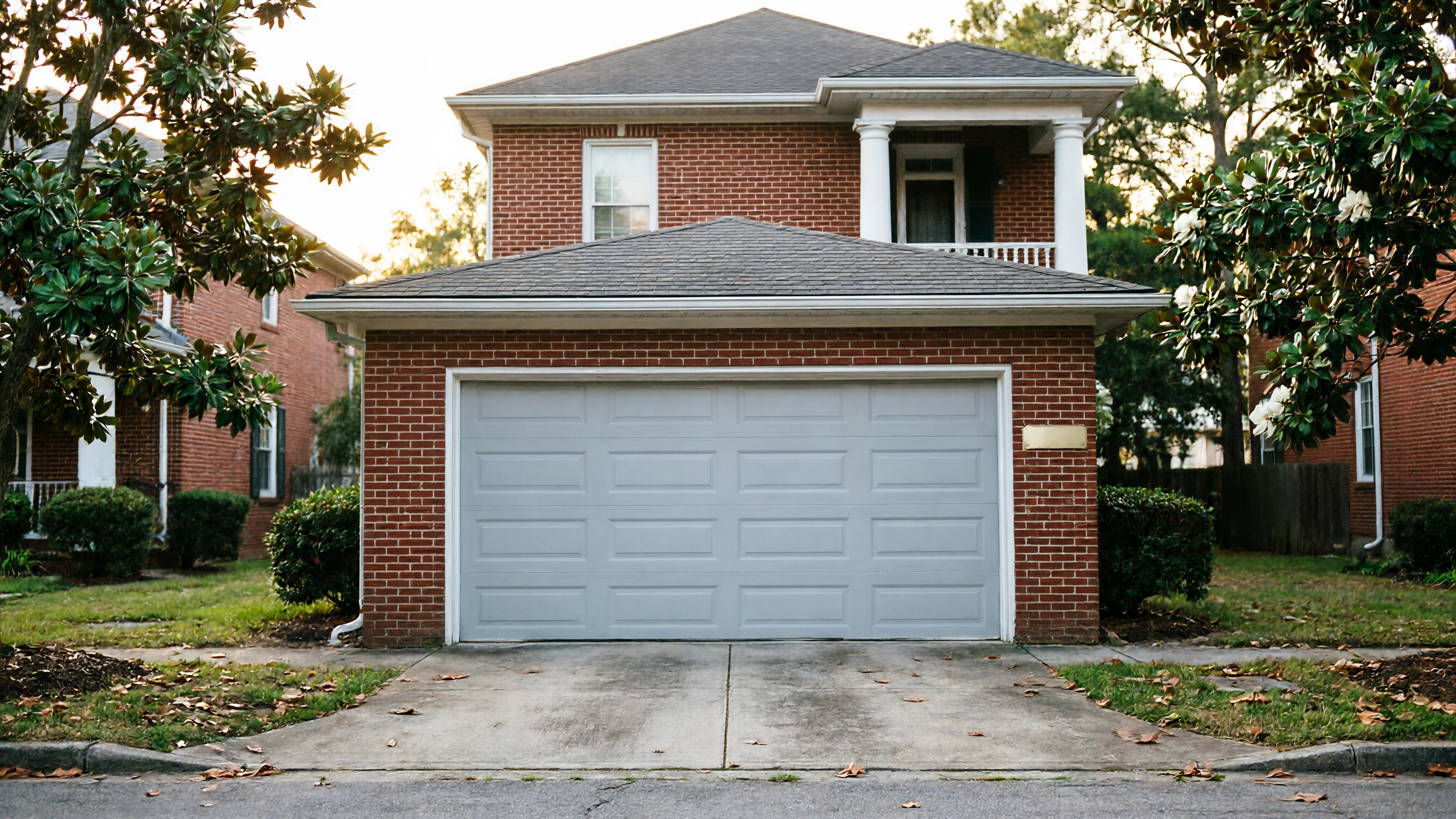
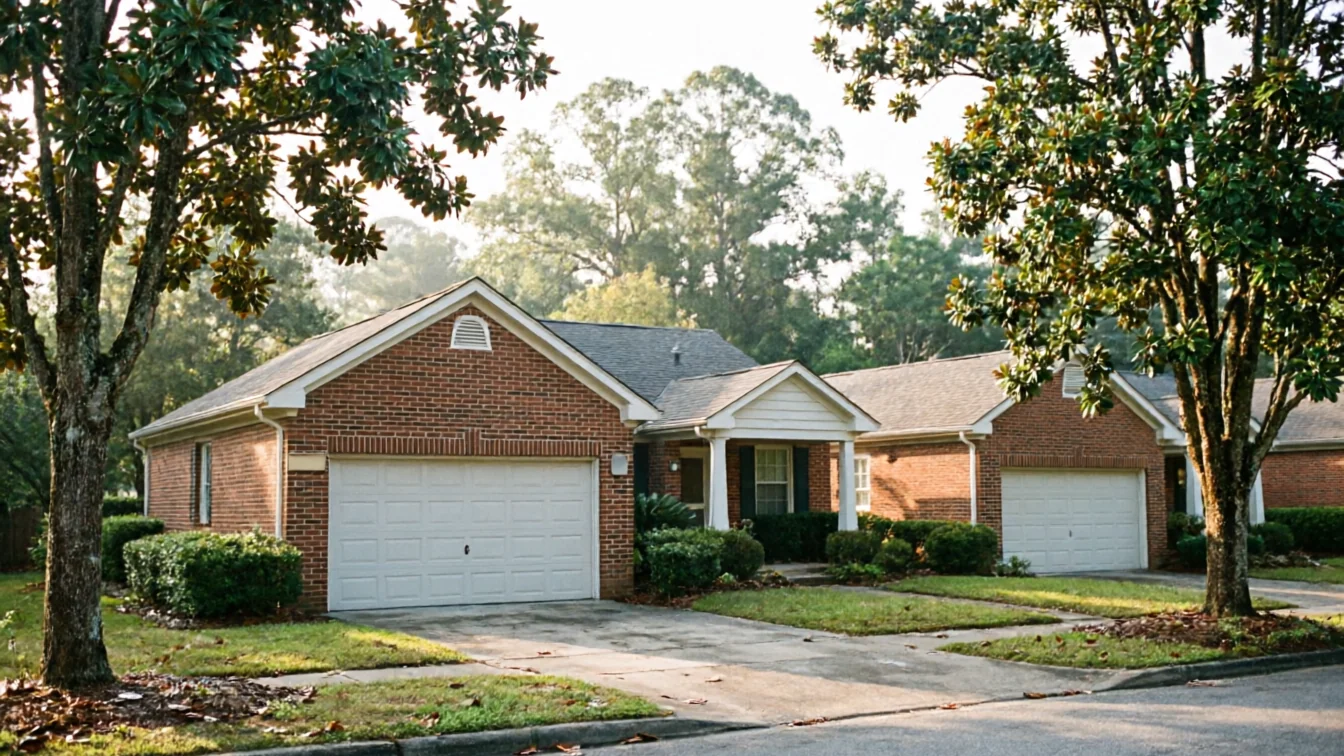
We don't have a published price list to hand you here, and we're not going to invent one. What we can tell you is that the housing stock across this area - mostly built in the 80s, 90s, and into the 2000s - tends to need the same handful of repairs: spring replacement, roller and track wear, opener failure. Parts for that generation of door are still widely stocked, which keeps most repairs straightforward rather than a special-order wait.
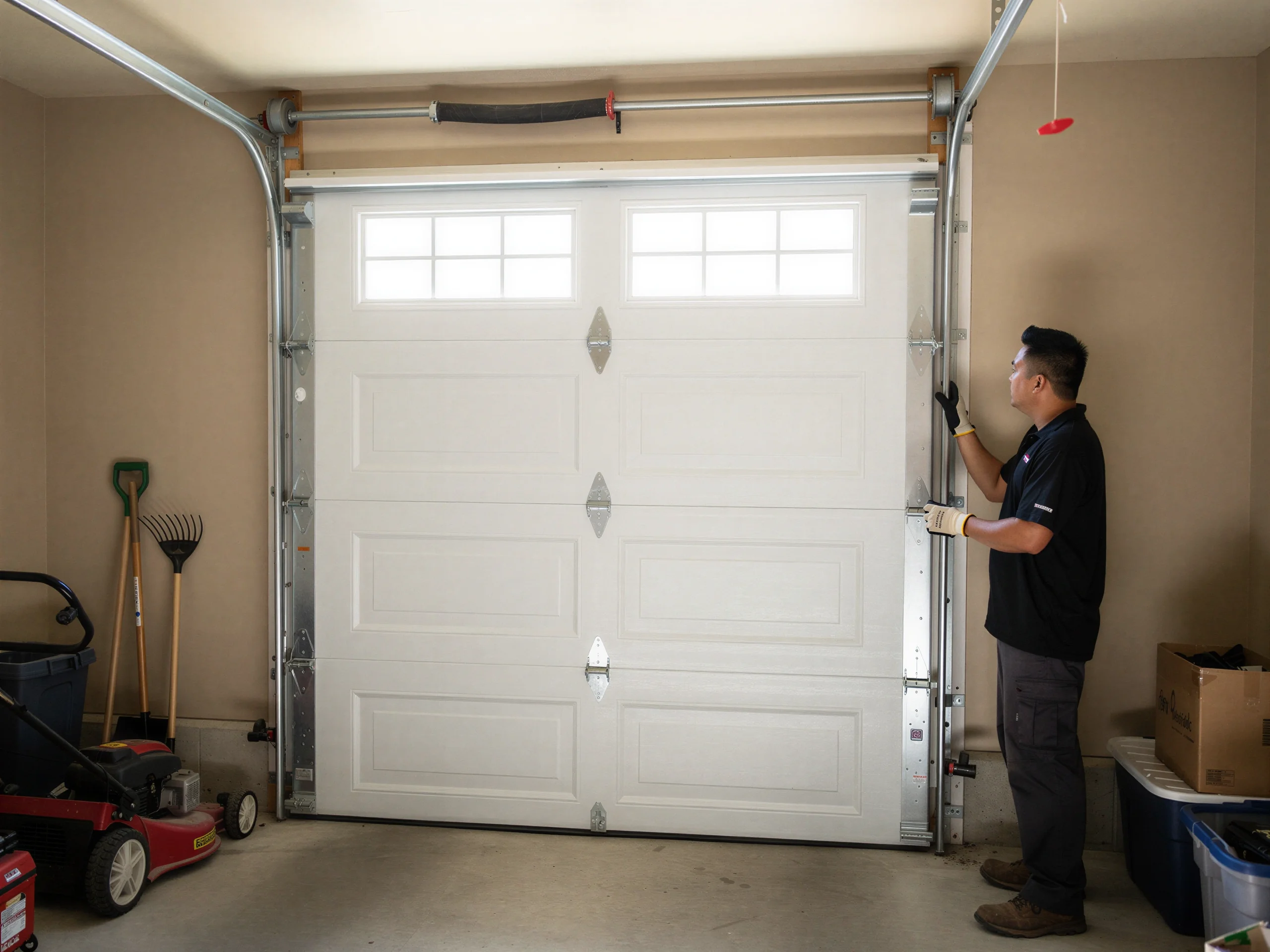
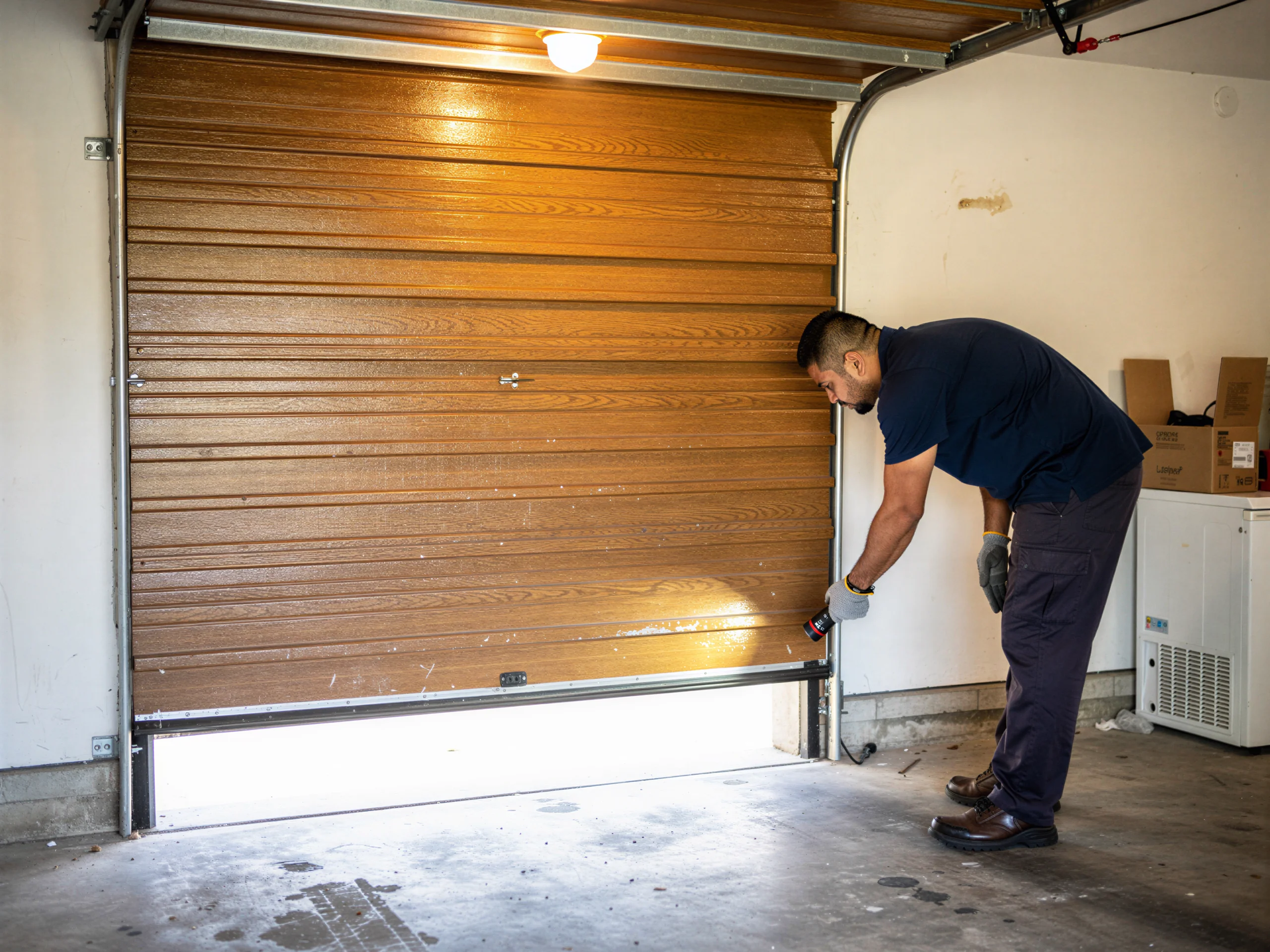
One honest limitation: if a door is old enough or damaged enough that a repair would cost close to what a new door runs, we'll say so rather than patch something that's going to fail again in a year. That call gets made on site, after we've actually looked at the hardware, not over the phone.